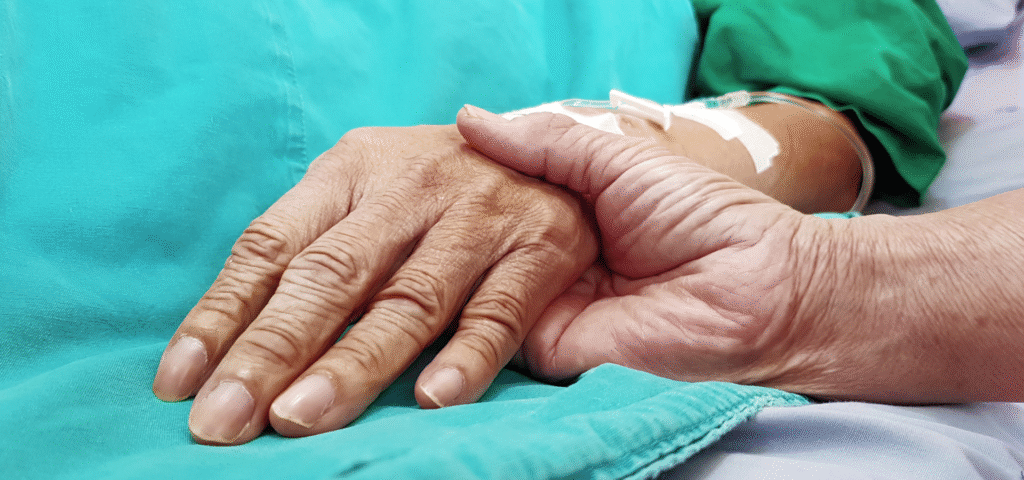
The final stages of life are often marked by physical decline—but they should never be marked by emotional absence. Many elders, particularly those from racialized communities, approach end-of-life in loneliness, without the language, cultural comfort, or spiritual support they need to feel at peace.
Our End-of-Life Compassion Support program ensures that no elder transitions alone. We provide companionship, culturally sensitive presence, and legacy-affirming care during the last stage of life—whether at home, in long-term care, or in hospice.
This is not medical care. It’s human care. Heart-forward, spirit-centered, and deeply intentional.
What the Program Offers
End-of-Life Companionship: Trained volunteers spend time with elders in their final weeks or days, offering presence, listening, and comfort
Cultural & Spiritual Sensitivity: Support offered in alignment with the elder’s language, faith tradition, and cultural norms
Legacy Projects: Volunteers or family members assist in creating memory books, video messages, or family blessings before passing
Family Support: We offer gentle guidance to family members navigating the emotional process, and connection to grief support when needed
Comfort Rituals: Music, prayer, storytelling, or quiet companionship—whatever the elder wishes
Who This Program is For
Elders nearing end-of-life without close family support
Seniors in hospice or palliative care whose cultural or emotional needs are underserved
Black and racialized seniors whose faith or traditions are often overlooked in traditional end-of-life settings
Families seeking guidance or compassionate companionship for a loved one in their final stage of life
How to Support This Program
Donate: Your gift helps fund volunteer training, grief materials, and family resources
Sponsor a Legacy Kit: Provide an elder with a memory journal, photo prints, or spiritual support tools
Refer a Loved One: Let us know if someone in your care could benefit from presence and compassion
Share Our Work: Tell hospice centers, churches, or elder care homes about this program
Why It Matters
Too often, death is treated as a clinical moment instead of a sacred transition. Our work restores: