

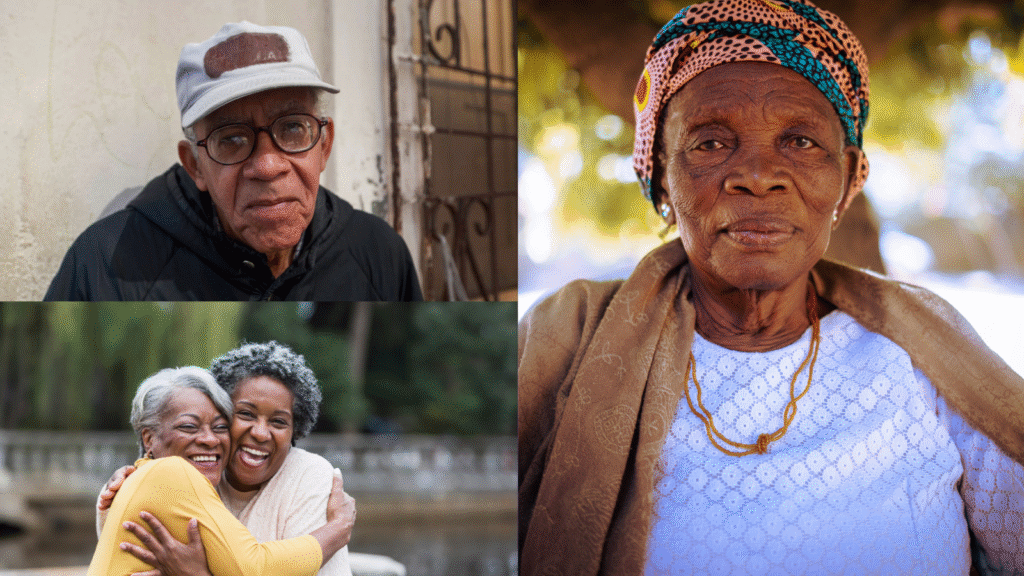
Understanding the Care Gap That Too Many Seniors Fall Through
As Canada’s aging population grows more diverse, the need for culturally sensitive elder care becomes not just important—but urgent. For Black and racialized seniors, care environments that ignore cultural context, language preferences, and lived experience can feel isolating, disempowering, or even unsafe.
At The Voice of Our Seniors, we believe every elder deserves care that honors who they are—not just what they need. This belief fuels our work, programs, and partnerships across Ottawa.
The Cultural Divide in Elder Care
Studies show that seniors from racialized communities often face:
-
Miscommunication due to language barriers
-
Invisibility within mainstream service design
-
Assumptions or bias based on stereotypes
-
Limited access to culturally relevant mental health or end-of-life support
These gaps are more than inconveniences—they directly affect health outcomes, social connection, and dignity in later life.
What Cultural Sensitivity Looks Like in Practice
Cultural sensitivity isn’t just about translation services or celebrating heritage months (though those help). It’s about embedding inclusion into every layer of support, such as:
-
Hiring staff from diverse backgrounds
-
Providing care in multiple languages
-
Recognizing the historical trauma some communities face with healthcare institutions
-
Designing spaces where Black elders feel seen, respected, and empowered
Our Commitment to Inclusive Elder Care
At The Voice of Our Seniors, we build programs around the people we serve—not the other way around. That’s why our work includes:
Tech and digital safety training that respects cultural context and learning pace
End-of-life support delivered in familiar languages, with compassion rooted in shared values
Youth-Elder connection programs to rebuild intergenerational trust and pride
Advocacy for system-wide change, so inclusive care becomes the standard—not the exception
Why This Matters to You
Whether you’re a caregiver, a policymaker, or someone who simply wants to give back—understanding the importance of cultural sensitivity is step one.
When we care for our elders with intention and respect, we don’t just improve lives—we shift systems.
Let’s Build a Future Where Every Senior Feels Seen
Want to support culturally inclusive elder care in your community?
Together, we can ensure no senior ages alone—and every elder is honored.
Let me know if you’d like a shorter excerpt version for social sharing, or if you want this uploaded into the blog CMS with a featured image suggestion.


Hi, this is a comment.
To get started with moderating, editing, and deleting comments, please visit the Comments screen in the dashboard.
Commenter avatars come from Gravatar.